A Stormwater Pollution Prevention Plan (SWPPP) is a document required for many construction sites and commercial properties in Georgia. It outlines how a site will prevent pollutants from entering stormwater systems during construction or operations.
A SWPPP typically includes:
- Identification of potential stormwater pollution sources
- Erosion and sediment control measures
- Best management practices (BMPs) for runoff control
- Inspection and maintenance procedures
- Documentation of compliance with environmental regulations
In Georgia, SWPPPs are often required for projects that disturb one acre or more of land, particularly under permits issued through the National Pollutant Discharge Elimination System (NPDES).
Why SWPPPs Matter for Georgia Properties
Stormwater pollution can affect both the environment and the property itself. When runoff collects pollutants like oil, fertilizers, or sediment, it can contaminate rivers, lakes, and municipal stormwater systems.
For property owners and developers, this can lead to several issues:
- Environmental damage to local waterways
- Increased flooding or drainage problems
- Costly infrastructure damage
- Fines or penalties for regulatory violations
By implementing a SWPPP, property owners can minimize these risks while keeping their sites compliant with Georgia regulations.
Key Components of an Effective SWPPP
A well-prepared SWPPP focuses on proactive stormwater management. Some of the most important components include:
1. Erosion and Sediment Control
Construction activities can loosen soil, allowing sediment to wash into storm drains. SWPPPs often include silt fences, sediment basins, or erosion control blankets to keep soil in place.
2. Best Management Practices (BMPs)
BMPs are strategies designed to reduce pollution from stormwater runoff. Examples include retention ponds, permeable paving, and proper drainage infrastructure.
3. Routine Inspections
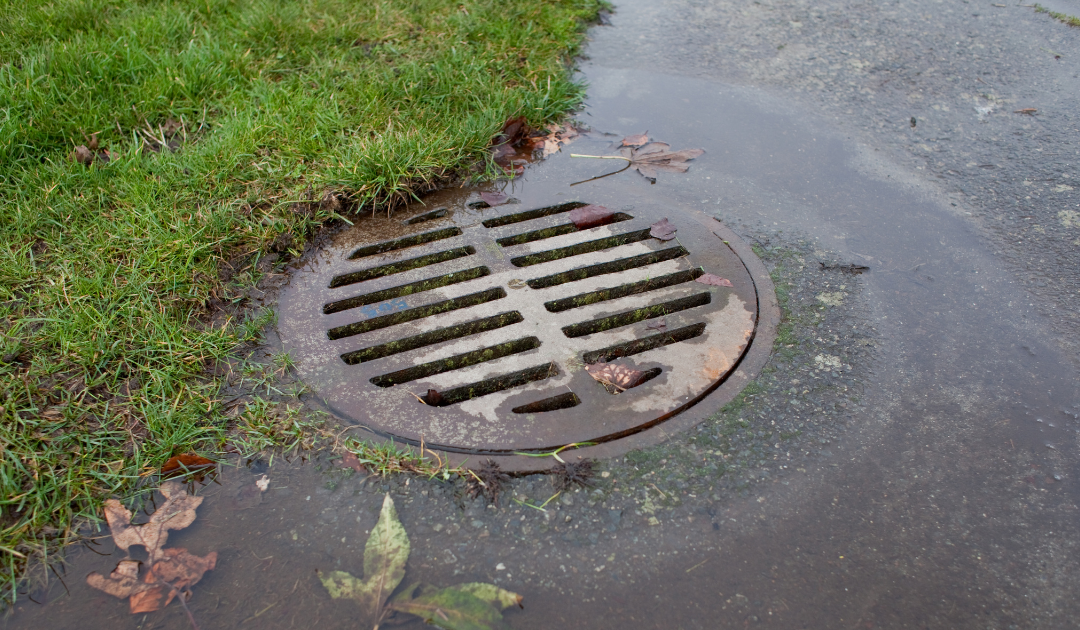
Regular inspections ensure stormwater controls remain effective. This includes checking storm drains, retention ponds, and other drainage systems for debris, blockages, or damage.
4. Employee and Contractor Training
Everyone working on a site should understand proper waste disposal, spill prevention, and pollution control procedures to reduce contamination risks.
Maintaining SWPPP Compliance in Georgia
Creating a SWPPP is only the first step. Ongoing maintenance and inspections are necessary to ensure stormwater systems function properly and remain compliant with local regulations. Projects that disturb one acre or more typically require permitting under the EPA’s NPDES stormwater program.
Property owners should:
- Conduct routine stormwater inspections
- Maintain drainage systems and retention ponds
- Address erosion or sediment buildup quickly
- Work with stormwater professionals when needed
Regular maintenance not only protects the environment but also helps prevent flooding, structural damage, and costly emergency repairs. In Georgia, many construction sites must comply with stormwater regulations established by the Georgia Environmental Protection Division.
Stormwater Pollution Prevention Plans are a crucial part of responsible property management in Georgia. By identifying pollution risks, implementing best management practices, and maintaining stormwater systems, property owners can protect both their investment and the surrounding environment.
If your Georgia property needs help with stormwater inspections, drainage maintenance, or SWPPP compliance, working with experienced stormwater professionals can ensure your systems stay efficient, compliant, and environmentally responsible. At Georgia Stormwater Inspections, we can help you make sure your SWPPP is all set up! Contact us today to start the process!