
PFAS testing is becoming a major part of modern stormwater management in Georgia.
PFAS, or “per- and polyfluoroalkyl substances,” are man-made chemicals commonly found in industrial products, firefighting foam, packaging, and runoff from commercial properties. Because these chemicals can persist in water and soil for years, they are often called “forever chemicals”.
Why PFAS Matters For Georgia Property Owners
For Georgia property owners, HOAs, industrial facilities, and municipalities, PFAS testing is an important step in protecting water quality and staying compliant with evolving environmental standards. As part of broader stormwater inspections, PFAS testing helps identify contamination risks before they become costly environmental or regulatory problems.
Georgia is continuing to strengthen its focus on stormwater management, stormwater pollution prevention, and MS4 stormwater compliance. Industrial sites, construction projects, and properties with storm drainage systems, retention ponds, or detention basins may be required to monitor runoff under state and federal guidelines. Facilities operating under industrial stormwater permits or SWPPP inspection services should pay particular attention to PFAS concerns.
Benefits of PFAS Testing and Stormwater Inspections
Routine stormwater inspection and PFAS testing can help property owners:
- Detect contamination in stormwater drainage systems
- Protect nearby waterways from polluted runoff
- Support stormwater pollution prevention
- Maintain compliance with Georgia stormwater regulations
- Reduce long-term liability and cleanup costs
- Improve overall stormwater treatment systems
Testing is especially important for properties with retention ponds, detention and retention ponds, commercial storm drains, or older storm sewer systems that may collect contaminated runoff over time. Even residential communities with HOA retention ponds or residential stormwater management systems can benefit from regular inspections and sampling.
How PFAS Testing Works
So, how do you complete PFAS testing in Georgia?
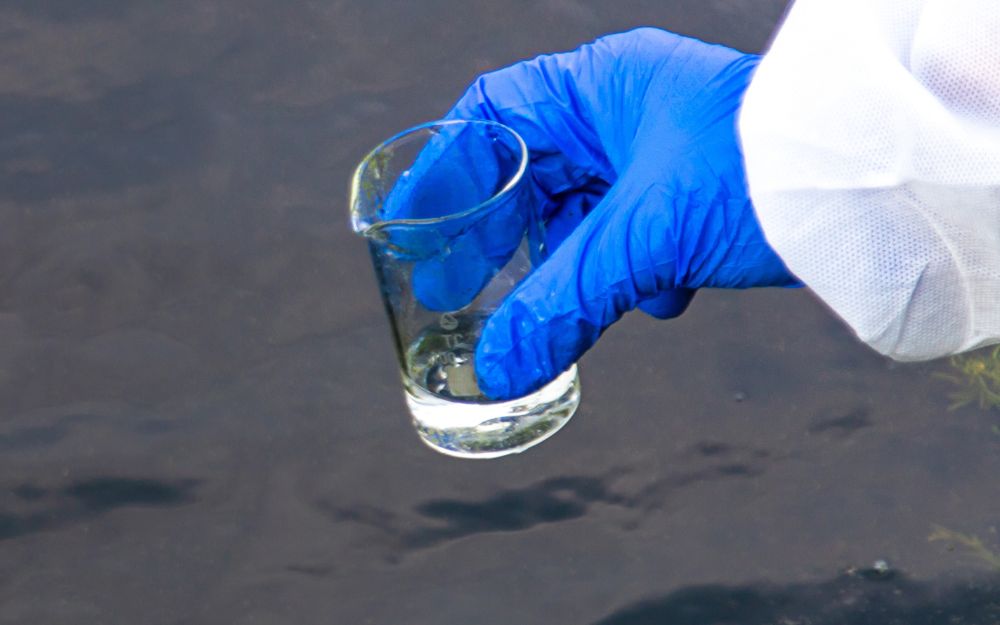
The PFAS testing process typically begins with a professional storm drain inspection or stormwater inspection to evaluate drainage infrastructure, identify runoff sources, and assess potential contamination areas. Certified inspectors may collect water or sediment samples from stormwater detention ponds, retention basins, or drainage outfalls for laboratory testing. From there, property owners can receive recommendations for stormwater management solutions, maintenance, or repairs if contamination risks are discovered.
Property owners should also consider pairing PFAS testing with regular maintenance programs, including stormwater pollution prevention, retention pond management, and stormwater drainage solutions. Routine inspections of stormwater detention systems, stormwater drains, and stormwater runoff control infrastructure can help reduce contamination risks and improve compliance.
Why Work With Certified Stormwater Professionals?
Working with experienced stormwater professionals is critical because PFAS regulations and testing standards continue to evolve. Proper inspections also support broader erosion control inspection efforts and help maintain effective stormwater management systems across commercial and residential properties. Preventative maintenance for stormwater retention ponds and storm drainage systems can also reduce costly emergency repairs in the future.
At Georgia Stormwater Inspections, we help property owners across Georgia with professional inspections and compliance support. Our certified team is ready to help keep your property compliant, protected, and prepared for future environmental regulations.