While stormwater inspections are not optional for regulated construction sites and many developed properties in Georgia, they are a required part of maintaining compliance with state and federal environmental regulations.
If you’re a contractor, developer, property manager, or municipality in the Atlanta metro area, understanding what a stormwater inspection is, and why it matters, can help you avoid violations, delays, and costly penalties.
This guide breaks it down clearly and practically for Georgia properties.
What Is a Stormwater Inspection?
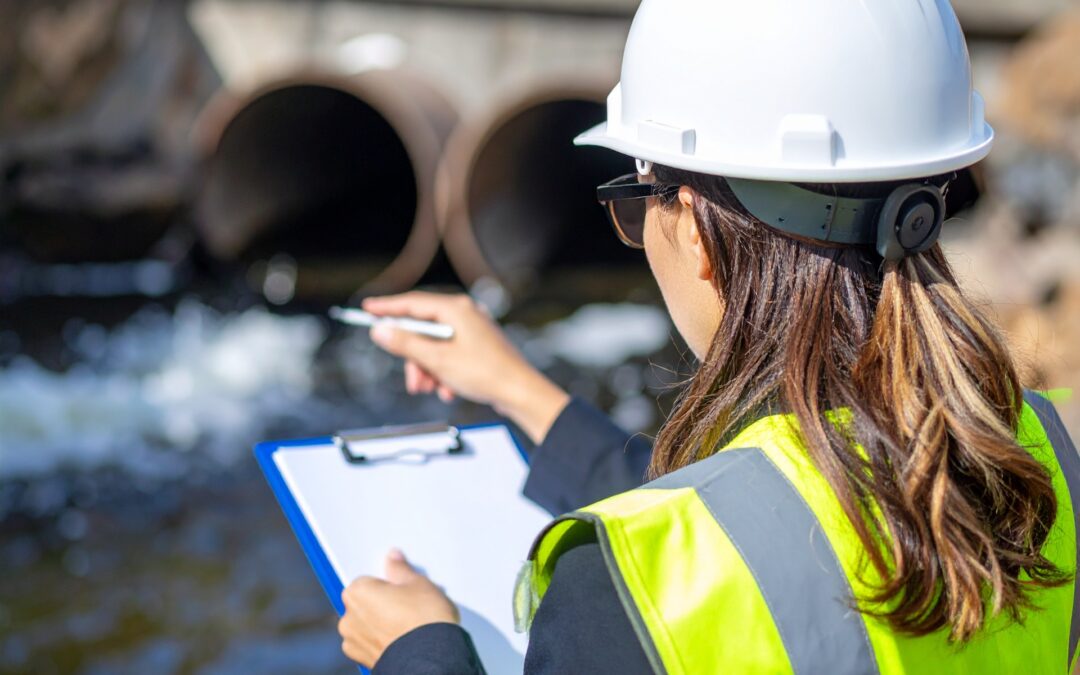
A stormwater inspection is a formal evaluation of a property’s stormwater management practices to ensure compliance with environmental regulations, including:
- The federal Clean Water Act
- The Georgia Environmental Protection Division (EPD)
- National Pollutant Discharge Elimination System (NPDES) permit requirements
The purpose of a stormwater inspection is to confirm that:
- Erosion and sediment controls are properly installed
- Best Management Practices (BMPs) are functioning correctly
- Stormwater runoff is not carrying pollutants into nearby waterways
- The site is following its Stormwater Pollution Prevention Plan (SWPPP)
In Georgia, particularly in high-growth areas like Atlanta, stormwater compliance is heavily enforced due to rapid development and sensitive watershed systems.
Why Stormwater Inspections Are Required in Georgia
Georgia construction sites that disturb one acre or more (or are part of a larger common development) typically require coverage under an NPDES construction permit issued through Georgia EPD.
That permit requires routine inspections to:
- Identify failing erosion control measures
- Document site conditions
- Prevent sediment from leaving the property
- Protect streams, rivers, and municipal storm systems
Failure to perform inspections can result in:
- Stop-work orders
- Notice of Violations (NOVs)
- Civil penalties
- Project delays
For contractors working in metro Atlanta counties like Fulton, Cobb, Gwinnett, DeKalb, and Clayton, inspections are a routine part of staying operational and on schedule.
What Happens During a Stormwater Inspection?
A professional stormwater inspection typically includes:
1. Perimeter Control Review
Inspectors check silt fences, construction exits, wattles, and other perimeter BMPs to ensure sediment is contained.
2. Inlet Protection Evaluation
Storm drain inlets must be protected to prevent sediment from entering municipal systems.
3. Disturbed Area Assessment
Bare soil areas are evaluated for stabilization, including temporary or permanent seeding.
4. BMP Condition Verification
Sediment basins, check dams, and other controls are inspected for damage, overflow, or improper installation.
5. SWPPP Compliance Review
The inspector confirms that site conditions match the Stormwater Pollution Prevention Plan and that required documentation is up to date.
6. Documentation & Reporting
Inspection findings are recorded in compliance logs, which must be maintained on-site and available for review.
Who Needs Stormwater Inspections?
In Georgia, stormwater inspections are commonly required for:
- Commercial construction projects
- Residential developments
- Infrastructure projects
- Industrial sites
- Municipal facilities
- Post-construction stormwater systems (detention ponds, underground systems, etc.)
Property managers of existing developments may also need periodic BMP inspections to remain compliant with local MS4 requirements. If your property discharges stormwater into a municipal system or nearby waterway, inspections are likely part of your compliance obligations.
How Often Are Stormwater Inspections Required?
Frequency depends on the permit type and site activity. For most active construction sites under Georgia’s NPDES permit, inspections are required at least once every 7 calendar days and/or within 24 hours of certain qualifying rain events.
Specific schedules should be verified based on your permit coverage and local jurisdictional requirements. Consistency is critical because missing inspections can trigger enforcement actions.
What Happens If You Don’t Conduct Inspections?
In metro Atlanta’s regulatory environment, non-compliance is often discovered during:
- Random EPD audits
- Local jurisdiction inspections
- Complaint-driven investigations
Consequences can include:
- Written warnings
- Monetary penalties
- Required corrective actions
- Project shutdowns
Beyond fines, violations can impact reputation and delay vertical construction.
Why Professional Stormwater Inspections Matter
While some sites attempt to self-manage inspections, working with a qualified third-party stormwater inspection provider offers several advantages:
- Accurate documentation aligned with Georgia EPD standards
- Early identification of compliance risks
- Reduced liability for contractors and developers
- Clear communication with local authorities
- Improved operational efficiency
In fast-paced Atlanta-area construction markets, proactive compliance is significantly less expensive than reactive enforcement.
Stormwater Inspections in the Atlanta Metro Area
The Atlanta region presents unique stormwater challenges, such as:
- Clay-heavy soils that erode quickly
- Frequent intense rainfall events
- Dense development near streams and watersheds
- Strict municipal enforcement programs
Cities and counties throughout metro Atlanta actively monitor construction sites for compliance. Having a consistent, dependable inspection partner reduces risk and keeps projects moving.
Partner With a Trusted Georgia Stormwater Inspection Provider
Stormwater inspections are not just a regulatory requirement; they are a critical risk management tool. If your project is active in Atlanta or anywhere in Georgia, staying compliant with Georgia EPD and NPDES requirements protects your timeline, budget, and reputation.
Georgia Stormwater Inspections (GSI) provides professional, compliance-focused stormwater inspections tailored to contractors, developers, engineers, and property managers across the Atlanta metro area.
Schedule an Inspection Today
Don’t wait for a violation to discover gaps in your compliance program!
Schedule an inspection with Georgia Stormwater Inspections today and ensure your project stays protected, compliant, and on track.