Many Georgia property owners assume that if their property isn’t flooding, their stormwater system must be working properly. Unfortunately, that’s not always the case.
Stormwater infrastructure is largely out of sight and often out of mind. Retention ponds, storm drains, culverts, catch basins, and drainage systems can develop issues long before visible flooding occurs. By the time standing water, erosion, or property damage becomes obvious, repairs can become significantly more expensive.
This is why routine stormwater inspections are one of the most important steps in protecting your property, maintaining compliance, and preventing costly emergencies.
So, How Often Do You Need a Stormwater Inspection?
In most cases, Georgia commercial properties, HOAs, POAs, and large residential developments should have a stormwater inspection at least once per year. Properties with retention ponds, detention systems, or known drainage concerns may require inspections twice annually or after major storm events.
Regular stormwater inspections help identify sediment buildup, erosion, clogged drains, structural damage, and pollution concerns before they create larger problems. Routine inspections are also an important part of maintaining compliance with local and state stormwater regulations. Stormwater experts generally recommend ongoing inspections and maintenance as part of a proactive stormwater management plan rather than waiting for problems to appear. The Georgia Environmental Protection Division (EPD) emphasizes the importance of maintaining stormwater management practices and infrastructure to ensure continued performance and regulatory compliance.
Why You Need Inspections Even Without Flooding
A common misconception is that stormwater systems only need attention when flooding occurs. In reality, many stormwater issues develop gradually and may not immediately affect drainage performance.
For example, sediment accumulation in retention ponds can reduce storage capacity over time. Storm drains can become partially blocked by debris, reducing efficiency during heavy rainfall. Erosion around shorelines, slopes, and drainage channels can slowly weaken infrastructure and create safety concerns. These issues often go unnoticed until a major storm exposes the problem.
According to the U.S. Environmental Protection Agency (EPA), stormwater systems require ongoing inspection and maintenance because sediment, pollutants, and debris can accumulate over time, reducing system performance and increasing environmental risks.
Regular stormwater inspections help detect these hidden issues early and ensure stormwater systems continue functioning as intended.
Additionally, unmanaged stormwater systems can contribute to pollution, regulatory violations, and costly repairs. The EPA identifies stormwater runoff as one of the leading sources of water pollution because it carries sediment, chemicals, oils, and debris into local waterways. Regular stormwater inspections can help identify these concerns before they become compliance issues or environmental hazards.
Depending on your municipality, county, or permit requirements, routine inspections may be required to maintain compliance with local stormwater management regulations. Property owners may be responsible for maintaining retention ponds, detention basins, and other stormwater infrastructure to ensure these systems continue functioning as designed. Regular stormwater inspections can help document maintenance efforts and reduce the risk of violations or unexpected enforcement actions.
Signs You May Need an Inspection Sooner
Even if you’ve had a recent inspection, certain warning signs indicate you may want to schedule another evaluation:
- Standing water that remains long after rainfall
- Overflowing or clogged storm drains
- Wet or soggy areas throughout the property
- Visible erosion near buildings, walkways, ponds, or slopes
- Sinkholes, depressions, or soft spots in the ground
- Water stains on foundations or retaining walls
- Cracks forming in building foundations
- Overflowing gutters and downspouts
- Excessive sediment buildup in retention ponds
- Storm damage following hurricanes or severe weather events
These issues can signal underlying drainage failures, reduced stormwater capacity, or infrastructure damage that should be addressed before they worsen.
Following major weather events, it’s especially important to assess drainage systems, retention ponds, and stormwater infrastructure for erosion, sediment buildup, and structural damage. The University of Georgia Extension encourages proactive drainage and erosion management practices to help property owners prevent long-term damage and costly repairs.
How much does a stormwater inspection cost?
Costs vary depending on the size of the property and the complexity of the stormwater system. A professional inspection can often identify issues early and help avoid significantly more expensive repairs later.
Do retention ponds need to be inspected?
Yes. Retention ponds should be inspected regularly for sediment buildup, erosion, vegetation issues, and structural concerns that can reduce performance.
Can I inspect my stormwater system myself?
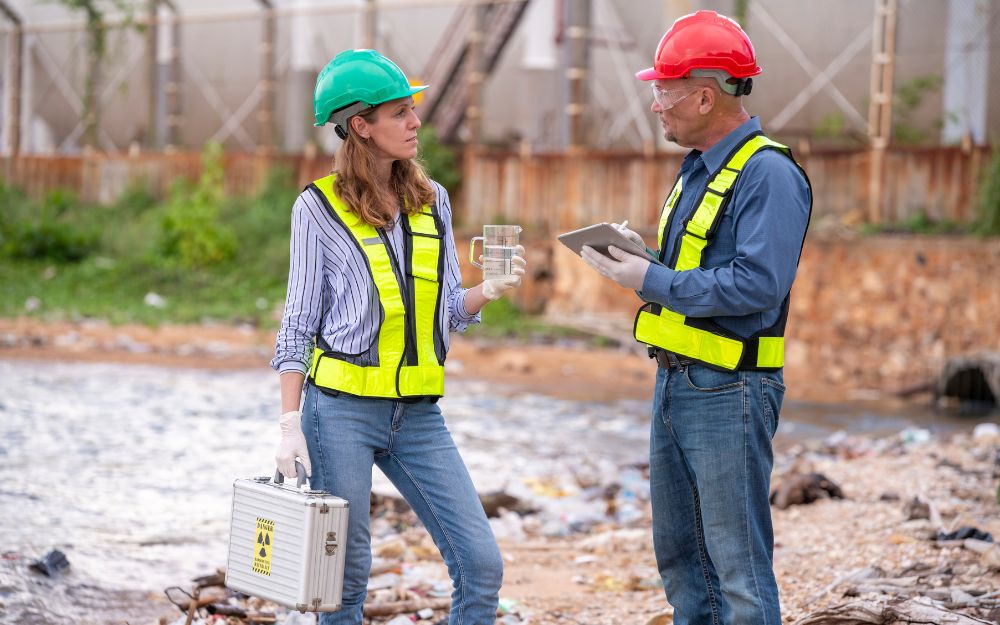
Property owners can perform visual checks, but a professional stormwater inspection provides a more thorough evaluation and can identify compliance concerns that may not be obvious.
Do I need an inspection if my property never floods?
Yes. Many stormwater problems develop gradually and remain hidden until a major storm event exposes the issue.
How Georgia Stormwater Inspections Can Help
At Georgia Stormwater Inspections, we help property owners across Georgia with professional inspections and compliance support. Our certified team is ready to help keep your property compliant, protected, and prepared for future environmental regulations.
Don’t wait for flooding, erosion, or compliance issues to become costly repairs. Schedule a professional stormwater inspection with Georgia Stormwater Inspections and gain confidence that your drainage infrastructure is functioning properly year-round.